
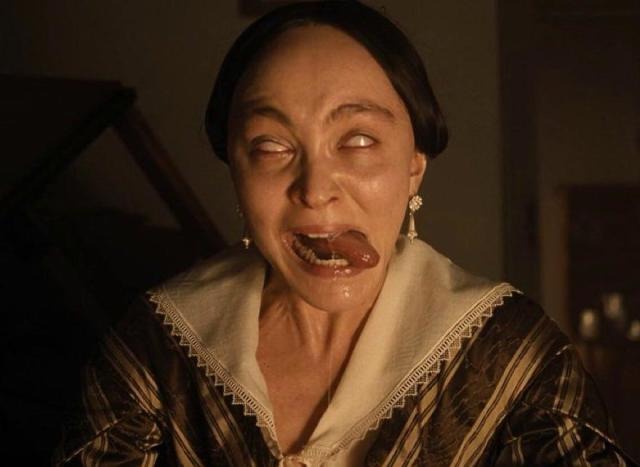
Nosferatu is Robert Egger’s gloomy, dreamy, and pretty faithful reimagining of 1922’s silent film, Nosferatu: A Symphony of Horror. If you love a richly cinematic slow burn with a big payoff, this one is for you. If that’s not usually your thing, or you’re not sure, I suggest trying it out. Have a little caffeine, a little sugar, settle in, and let it work on you.
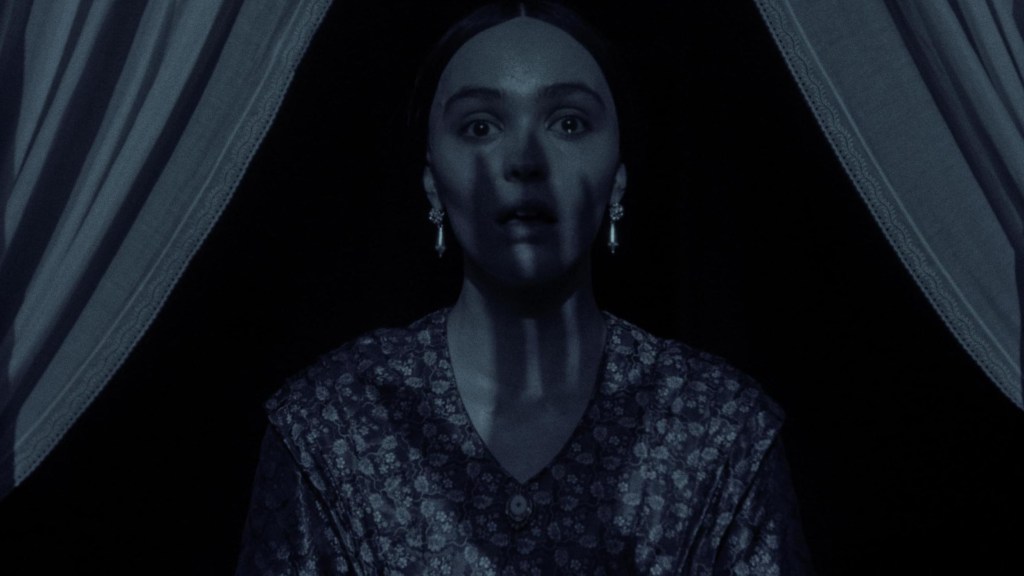
A cold burn
One of my favorite literary passages is in To The Lighthouse, where Virginia Woolf managed to make the off-season in an empty vacation house more captivating than entire books’ worth of action and suspense. She grants intentionality to the celestial cycle and the play of light beams across empty furniture and dusty floors.
I’d compare Nosferatu to that work, or even more, to the real life experience of looking at a full moon, when the unlikely feeling of daylight-at-night throws your expectations out of balance, and even the most skeptical of souls would be hard pressed to feel like nothing magic can come of it.
A trick of the light
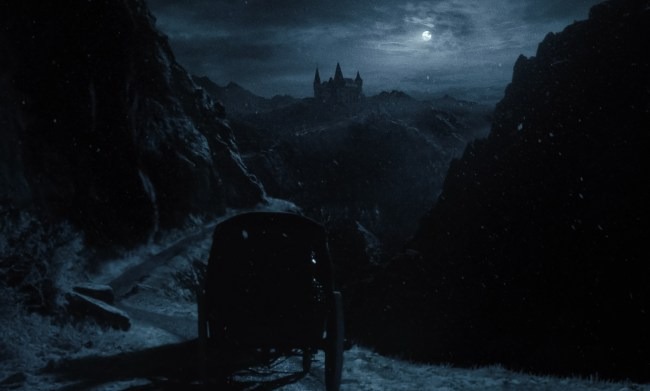
In a clever touch, the film has a blue and bloodless shade to it, richly half-curtained in shadow. You’ll welcome the few moments of torchlight only to have the translucent veil swept over them again. In a Fangoria interview (Vol. 2, issue #26), Eggers talks about the decision to not simply use black and white, saying, “I felt there were things about Transylvania that would be more enriching with color, even though the pallete is very desaturated and pale… this sort of lack of color in color can at times be more oppressive.”
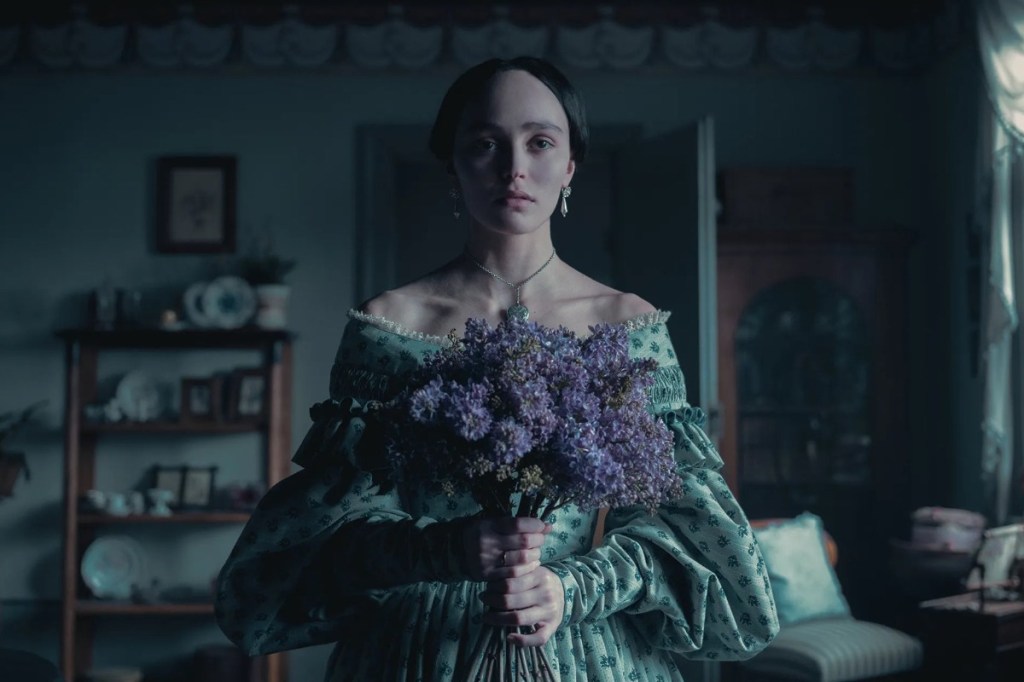
Even the use of red was sparing, according to Eggers, with the team debating a room with just “a little bit of brown” for fear it would “read as red.” “Everything else sort of had the life sucked out of it,” Eggers said.
“The lack of color in color can at times be more oppressive.” – Robert Eggers in a Fangoria interview, talking about the lighting of Nosferatu
Willem Defoe: a metaphorical bright spot in this darkest of films
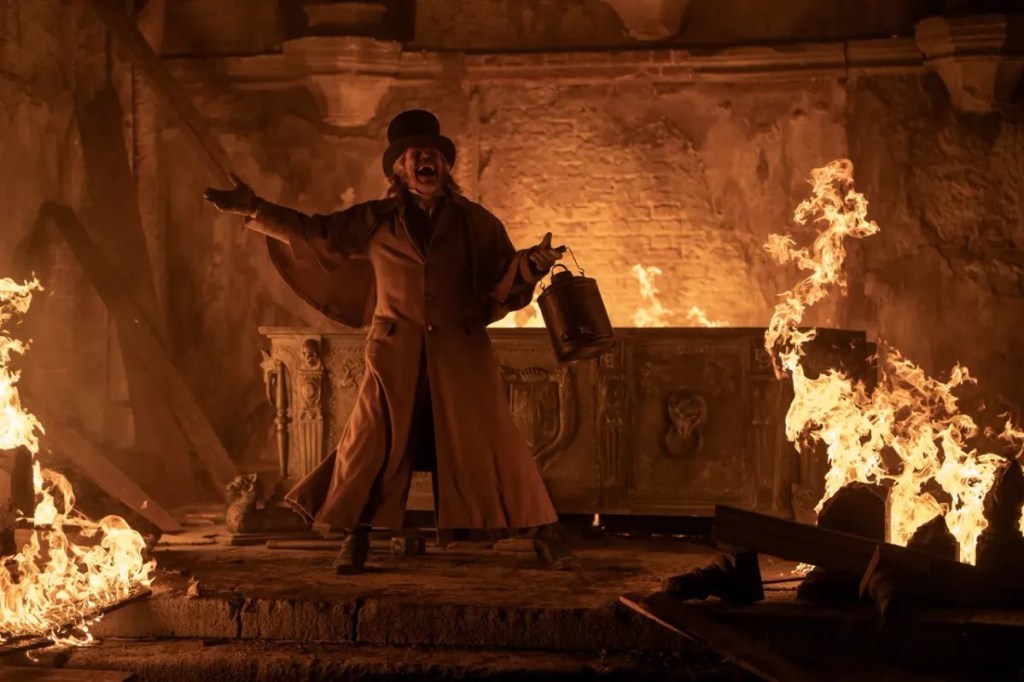
Without some splashes of color, the drained look of Nosferatu might be just too much. So too with the increasingly grim performances. Willem Defoe plays the eccentric Professor Albin Eberhart von Franz, this story’s version of Dracula’s Van Helsing, with humor, vulnerability, and melodrama. Honestly I’m not entirely sure I would’ve made it through without him. He’s even lit differently, at least in this standout moment:
The plot closely follows the original Nosferatu
Like the original, which is itself a retelling, Nosferatu follows a similar premise as Dracula, but with some intriguing twists. A young real estate agent (Nicholas Hoult) goes to Transylvania to help a reclusive, threatening, creepy count complete a London land deal. Count Orlock, played by Bill Skarsgård (Pennywise) is already obsessed with the young man’s wife, Ellen (Lily-Rose Depp) who is equally drawn to his long-distance hungry glamoring.

The creature of Count Orlock
Orlock is a unique take both on the character of Dracula and on vampires themselves. He’s pretty much all monster from the beginning, with zero sex appeal, or manners for that matter. He’s cruel, charmless, and literally partially rotten; his voice drags, booms, and echoes in a bit of sound design almost on par with the visual style.
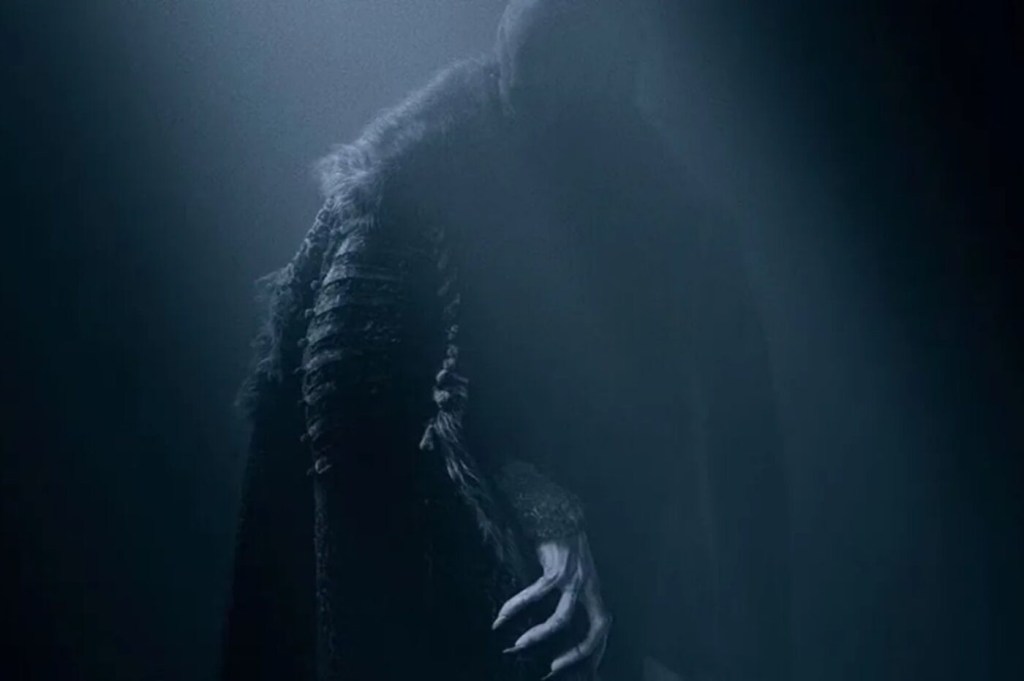
As with the original silent film it’s pretty clear something’s very off about him, and he doesn’t waste time toying with the youngish Thomas Hutter, or offer him any relief in the sexy clutches of kept women vampires.
The great mustache debate of 2025
The internet being what it is, people on the internet are freaking out over Orlock’s mustache.
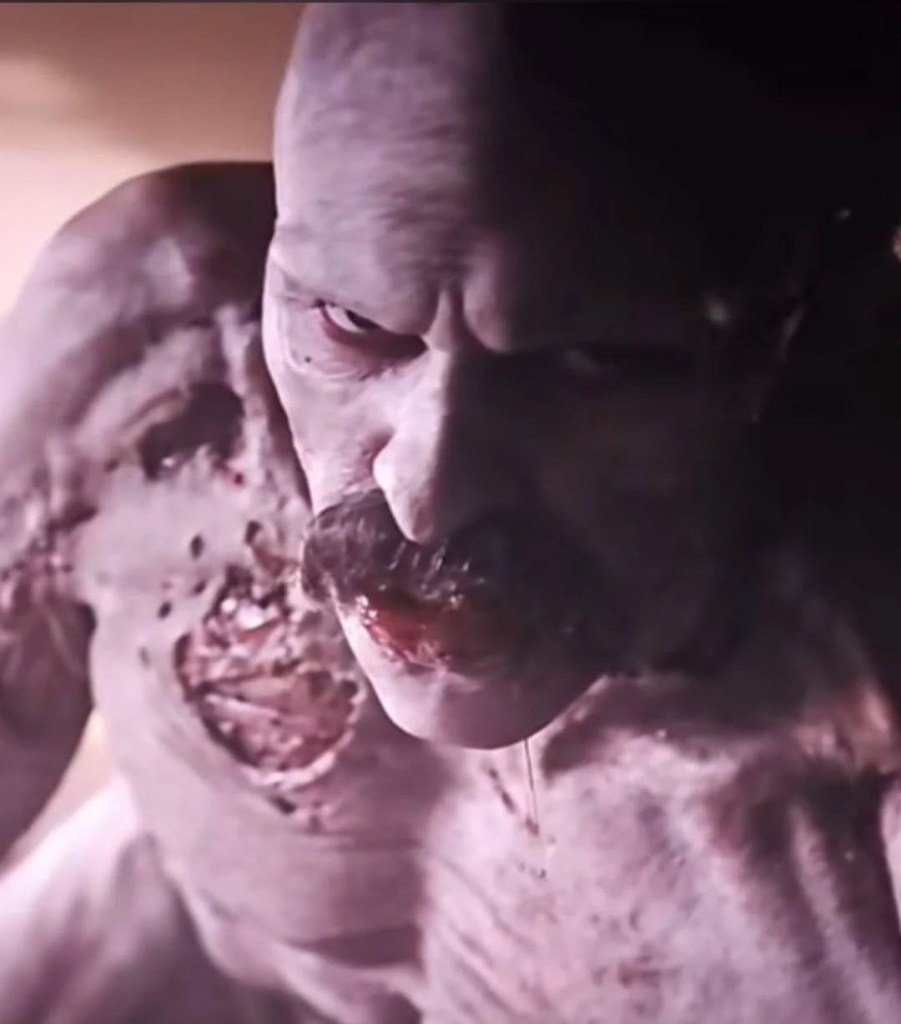
I swear I remember my wife telling me her father, whom I never met, called his mustache, or mustaches in general, a “soup catchers.” I love vampires but I can’t handle anyone with food on their face, especially soup, or worse, ketchup, a trait which wasn’t fun for my kids to deal with when they were little. But weirdly I can handle Orlock’s blood-soaked, Stalinesque, bushy, blue-blooded Fu Manchu.
The mustache is a clear homage to very real and historic Vlad Tepes, the “son of the dragon” or “Dracula,” also known as Vlad the Impaler, so named for the habit of sticking his dead enemies on a forest of spikes.
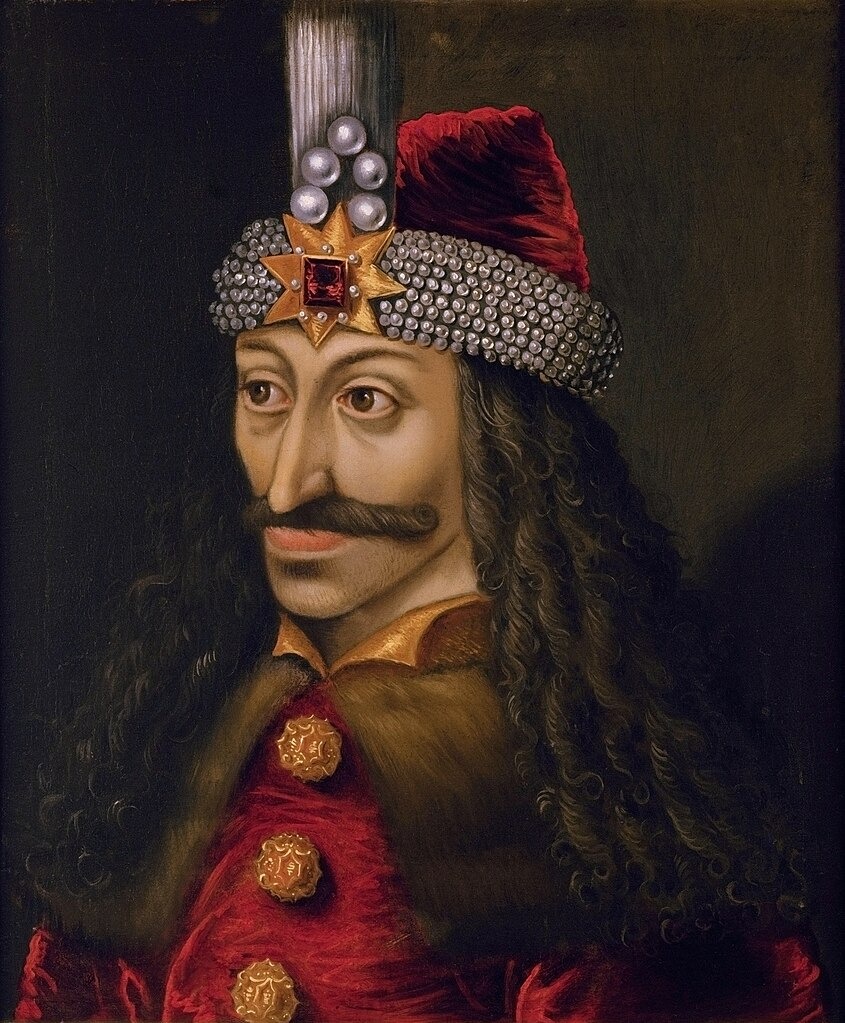
Orlock’s bloodcatcher adds nobility and just a touch of humanity to his predominantly inhuman appearance. We need this. Without it there is simply no love connection, around which, to a degree, the relationship with Ellen is established, in flashbacks to a lifelong psychic romance, and which Coppola effectively played up in 1992’s Bram Stoker’s Dracula.
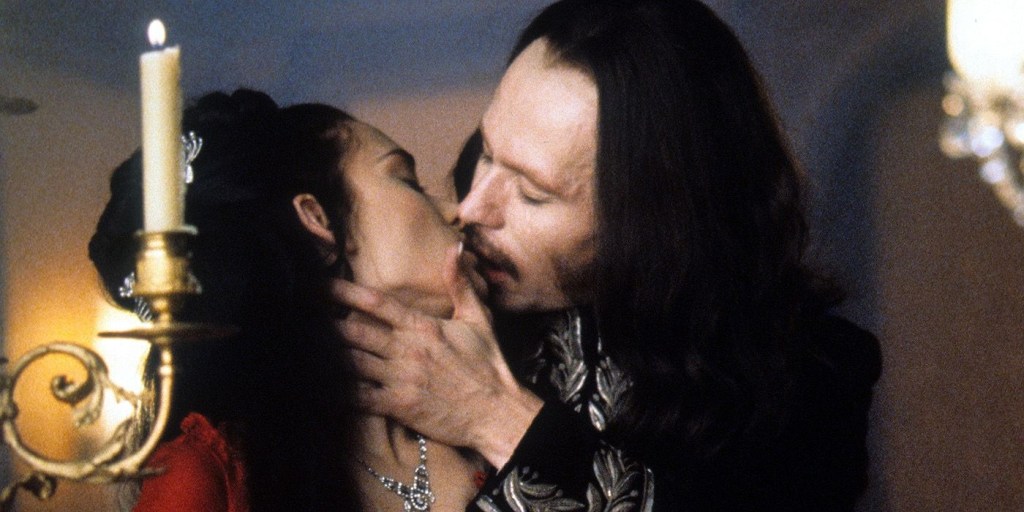
Some twists on Dracula (spoilers, if you’ve not seen the original Nosferatu)
The twists deal with 1) a longer-standing psychic relationship between Orlock and Ellen than you see between Dracula and Mina in Bram Stoker’s novel. Ellen has shown what play like psychic tendencies since childhood, which seem to stem more from her otherworldly connection to the Count.
2) The spread of vampirism and murder that follow the Count’s arrival in London are partly spread by… rats.
3) Ellen architects the death of Orlock in a final act of self-sacrifice. You’ll like how much more strong and self-realized Ellen is than Bram Stoker’s original Mina Harper.
Nosferatu is the slowest of slow burns (cold burns?). But every dark and brooding second leading up to the action- and pathos-packed final act is worth it as exquisite cinema.
-EH


 The Horror Inside
Leave a comment